
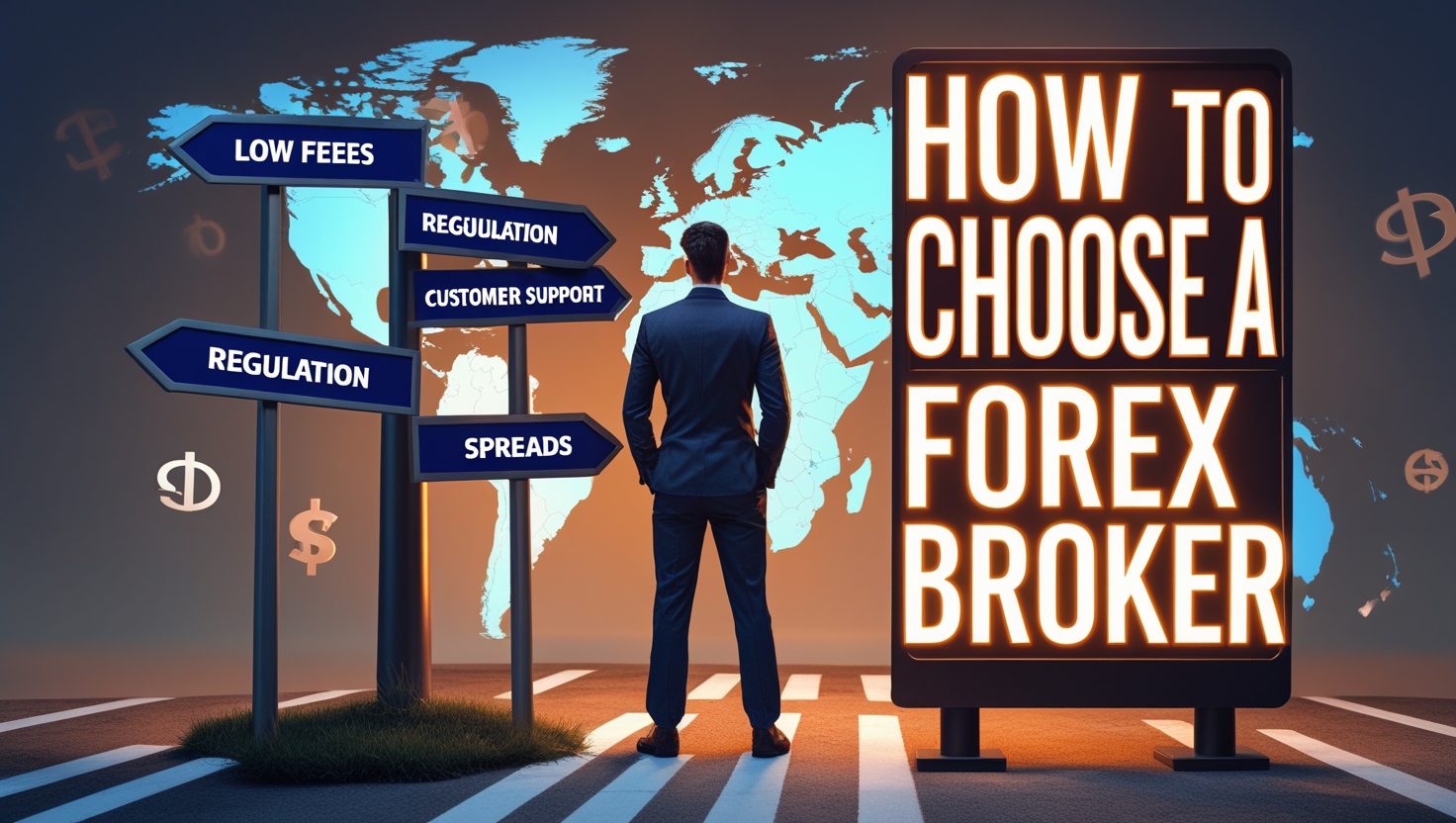
Forex trading is a very popular and profitable market, but success in it is only possible when you choose the right broker. A broker gives you access to the market, i.e., your trades are executed through its platform. If the broker is not reliable, your money could be at risk, and your trading performance would also be greatly affected. That is why choosing the right broker is very important for both new and old traders.
People often choose a broker by looking at low spreads or bonuses, but the real things are something else such as regulation, transparency, stability of the trading platform and customer service. If these factors are not strong then you may have to face a lot of problems in trading.
The aim of this blog is to guide you on how to choose a good and trustworthy forex broker. Here you will learn tips from basic to advanced level which can provide you a safe and profitable trading environment. Right broker means right start.
Understanding Different Types of Forex Brokers:
Several different types of Forex brokers handle the trading process in different ways. There are two main categories: Dealing Desk (DD) brokers and No Dealing Desk (NDD) brokers. Dealing desk brokers are also called market makers. These brokers trade against their clients, i.e. when you buy, they sell. This method can be a little risky as sometimes there is a conflict of interest.
On the other hand, No Dealing Desk brokers send your trades directly to the interbank market. NDD brokers are of two types: STP (Straight Through Processing) and ECN (Electronic Communication Network). STP brokers collect quotes from multiple liquidity providers and give you the best price, whereas ECN brokers give you access to the real-time market where you trade directly with other traders and institutions.
You need to understand which type of broker suits your trading style and goals. If you are short-term or scalping then an ECN broker may be better. If you are a beginner then a regulated STP broker is a safer choice.
Key Regulatory Bodies and Why Regulation Matters:
Whenever you choose a forex broker, the first thing to look at is which regulatory authority it is registered under. Regulation means that the broker follows the rules and standards of a legal body that protects the rights of traders. This protects you from fraud, manipulation, and unfair practices.
Some of the most prominent regulatory bodies include the FCA (UK), ASIC (Australia), CySEC (Cyprus), NFA (USA), and FSA (Japan). If a broker is registered under these regulators, it means that it meets standards such as regular audits, capital requirements, and client fund protection. These brokers keep their clients’ funds separate, so that your money is safe in any financial crisis.
Trading with brokers who are not regulated can be risky. Such brokers do not have any legal obligation, and if the money is lost, you do not have any official platform to complain. Therefore, always check the license number of the broker and which regulator it is under. Regulation is proof of your trust and security, so never ignore this factor.
Evaluating Trading Platforms, Spreads, and Commissions:
The most important part of a reliable forex broker is its trading platform. The platform is where you buy or sell, look at charts, and analyze the market. The most popular and trusted platforms include MetaTrader 4 (MT4) and MetaTrader 5 (MT5). You should check whether the broker’s platform is fast, user-friendly, and crash-free.
The second thing to look at is spreads and commissions. Spread means the difference between the buy and sell price. If the spread is high, your costs go up. Often, brokers offer either fixed spreads or variable. In fixed spreads, you will get the same difference all the time, while in variable spreads, you will change according to market conditions.
Some brokers also charge commission on each trade. ECN brokers generally offer low spreads but charge commission. So you will have to see which model will be cheaper and more beneficial for your trading style. Platform stability and low-cost trading conditions can make a difference to your profitability.
Deposit and Withdrawal Methods: What to Look For
When you are choosing a broker, its deposit and withdrawal system also holds great importance. You should see which method the broker accepts funds through – such as bank transfer, credit/debit cards, PayPal, Skrill or crypto wallets. Easy and fast payment methods are a proof of convenience for the trader.
You should also check the withdrawal processing time. Some brokers create unnecessary delays in withdrawal which causes frustration. A reliable broker is one that processes the request within 24–48 hours.
Another important thing is transaction fees. Some brokers charge hidden charges on deposit or withdrawal. That is why you should read the terms and conditions carefully from the very beginning. A good broker is transparent and tells you clearly how much charge will be levied on any transaction.
Easy deposit and withdrawal of funds is very important for a trader. The faster and smoother this process is, the more trust you will build in the broker. Always prefer brokers who have multiple and secure options.
Customer Support and User Reviews: Measuring Broker Reliability
A good forex broker is one that provides timely and professional customer support to its clients. You should check whether the broker’s support system is available 24/5 or 24/7. If you run into a technical issue or funding problem, quick help is very important.
Support channels are also important, such as live chat, email, phone call and sometimes even WhatsApp. A good broker always gives prompt and friendly responses. If the response time is slow or the staff is not trained, you may face a lot of problems in the future.
User reviews are also a strong indicator of the broker’s reliability. You can also check reviews on popular forums such as Forex Peace Army or TrustPilot. If people are repeatedly reporting the same issues such as withdrawal delays or platform freezes, avoid that broker.
The quality of customer feedback and support indicates the broker’s trust level. Always choose a broker who prioritizes its clients and provides quick solutions to their problems.
Conclusion:
When you are planning to open an account with a forex broker, it is very important to make a final checklist. First of all, see if the broker is regulated or not. If there is no proof of regulation, avoid that broker immediately. Secondly, check the quality of the platform and its speed. You can get an idea of these things by using a demo account.
Third things are trading conditions such as spreads, commissions, slippage and execution speed. Compare all these things with other brokers. The deposit and withdrawal system should be transparent where there are no hidden charges. The support system should also be strong where you can get help quickly.
The most important things are user reviews and reputation. If the broker has a lot of negative feedback, then it is a red flag. Open the account only after checking all these so that your money is safe and your trading experience is smooth.
Choosing the right broker is the first and most important step of your trading journey, so every aspect must be carefully evaluated in this decision.
FAQs:
1. Why is it important to choose a regulated Forex broker?
Choosing a regulated broker ensures that the broker follows strict rules set by legal authorities to protect traders. Regulation provides security for your funds, prevents fraud, and guarantees that brokers operate transparently with regular audits. Trading with unregulated brokers carries high risks because you have no legal protection if issues arise.
2. What are the main types of Forex brokers and how do they differ?
There are two main types: Dealing Desk (DD) brokers, also known as market makers, who trade against you, and No Dealing Desk (NDD) brokers, which include STP (Straight Through Processing) and ECN (Electronic Communication Network) brokers. NDD brokers send your trades directly to the market, usually offering better pricing and less conflict of interest compared to DD brokers.
3. What factors should I consider regarding trading platforms when selecting a broker?
You should choose a broker with a fast, reliable, and user-friendly trading platform. Popular options include MetaTrader 4 (MT4) and MetaTrader 5 (MT5). The platform should support real-time charts, analysis tools, and not crash frequently. A stable platform helps ensure your trades execute smoothly and efficiently.
4. How important are deposit and withdrawal methods when choosing a Forex broker?
Very important. A good broker should offer multiple convenient and secure deposit and withdrawal options such as bank transfer, credit/debit cards, e-wallets, or cryptocurrencies. Withdrawal requests should be processed quickly (usually within 24–48 hours) without hidden fees. Transparent and fast payment systems build trust and reduce frustration.
5. How can I assess a broker’s reliability through customer support and user reviews?
Reliable brokers provide professional, timely customer support available 24/5 or 24/7 through multiple channels like live chat, email, and phone. Checking user reviews on trusted sites or forums can reveal common issues such as withdrawal delays or technical problems. Positive reviews and quick, helpful support indicate a trustworthy broker.